How to make a revision plan in five simple steps
How to make a revision plan in five simple steps

It's boring but true - being organised can reduce exam stress, and help you make the most of your time. The best way to start your revision is to make a plan. Follow our guide to find out how.
1. Break up your subjects
Start with the basics. First, write down the date, time and subject for all of your exams. Then look at what you need to cover for each one – make a list by topic, and then break each topic down into small manageable pieces.
2. Think smart
Effective revision is not just about spending time revising, but spending the time you have well. Working out where best to put your effort and energy can make a big difference to your marks.
- Some exam papers will carry more marks than others so it’s worth preparing in more detail for exams which carry a high percentage of your total mark.
- You may also want to spend extra time on your weaker areas or need to fill gaps. Add these to your topic list. Speak to your classmates or teachers to catch up on missing notes or visit BBCbitesize for great – and free – subject revision guides. Subject revision books can also help – check with your local library.
- Build in time to familiarise yourself with each exam as part of your revision. Ask your teacher for some past exam papers and practise answering questions in a timed setting. This helps you get used to exam formats, develop your exam skills and identify any weaker areas where you need to focus.
- Allow time for regular recap sessions to go over what you’ve covered, as well as time ahead of each exam to go through all your notes.
3. Be realistic
Create a revision plan that is going to work for you. Studies show that people are more motivated by achievable goals – if you’re too ambitious with your plan it can be easy to lose heart. Think about what you can stick to and schedule break times. Make sure to include some relaxation time too so you can switch off and give your brain a rest – doing something completely different will help information sink in and stop you burning out.
4. Expect the unexpected
Timetable some free study blocks each week. Once you get started you may need more time on certain subjects or have to deal with something outside of your studies. If there’s no flexibility in your plan, it’s easy to get behind – free blocks will help you keep on track.
Other times, you may cover topics quicker than planned. Again, it helps to be flexible so you can make the most of the time you have – you could move on to your next topic or allocate extra review sessions.
5. Put your plan together
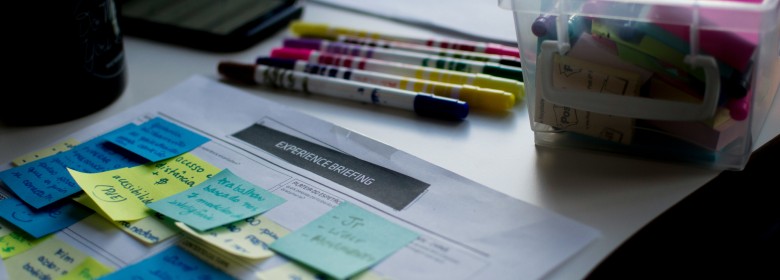
You’re now ready to draw up your revision plan. There are lots of ways you can do this – try using a school-style timetable or calendar printout or get creative with colour-coding and post-its. If you use a spreadsheet or digital version you may find it’s worth having a paper copy too. Then:
- Mark in your exam dates and subjects
- Allow time for regular recap sessions and to review your notes ahead of each exam
- Include time to look at or practise past exam papers
- Divide your list of topics across each week of your remaining revision period – make sure each topic comes before the date of the relevant exam. Consider spending more time revising for papers which carry more marks
- Create a more in-depth schedule at the start of each week, complete with blocks for free study, breaks and relaxation
- Scope out a detailed timetable for the next day the night before – this makes it easier to adjust your plan depending on your progress and helps you start each day focused.
More on surviving exam season
Top tips for effective revision – for ideas on getting the most from your revision plan.